Digital Imaging Camera/SDK
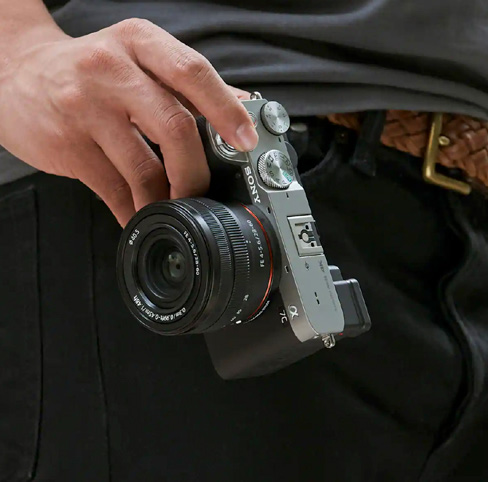
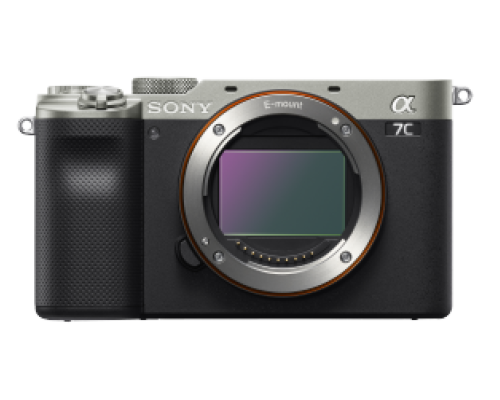
Sony Alpha camera supported by Sony SDK (Software Development Kit)

Sony Alpha camera supported by Sony SDK (Software Development Kit)
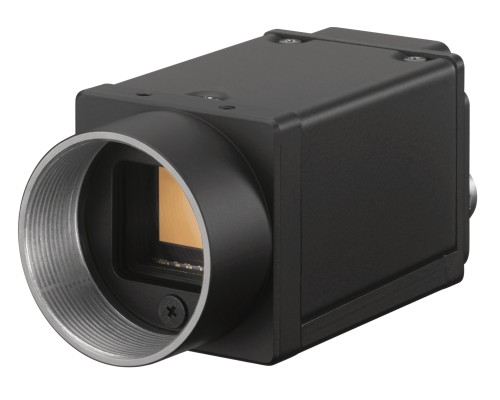
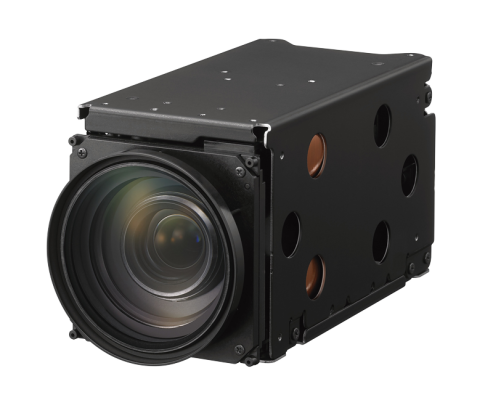
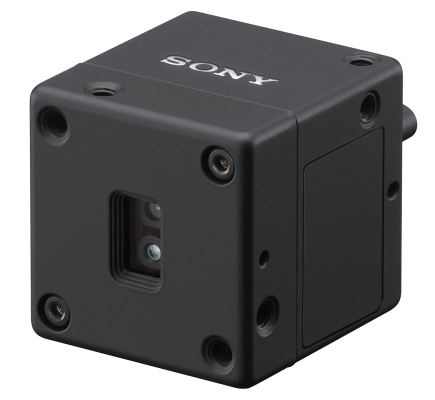
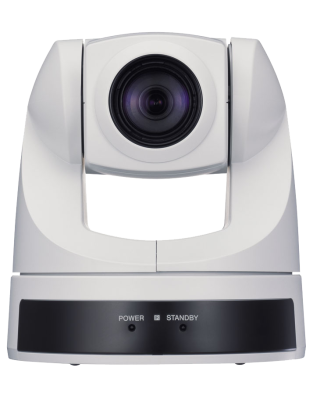
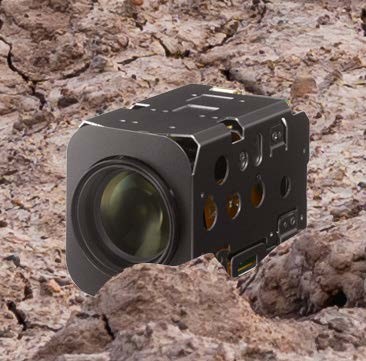
Digital Video Camera using various interfaces (USB, Gigabit Ethernet, Camera link)
Robot designers and integrators are using the Robot Operating System (ROS), an open-source software framework, to help bring new industrial automation solutions to market more quickly and efficiently.
ROS is a modular set of software libraries and tools that enables engineers and researchers to design, control, and integrate robots with sensors, cameras, and advanced navigation systems. With many of these resources available from code-hosting platforms such as GitHub, developers can build on existing software rather than starting from scratch.
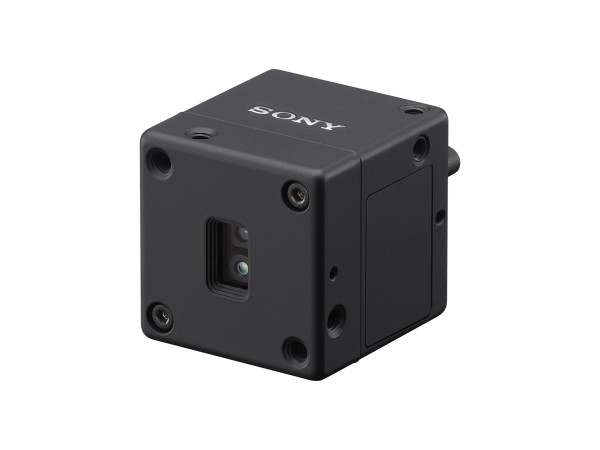
Indeed, Sony Image Sensing Solutions recently updated the software development kit for its AS-DT1 LiDAR depth sensor, adding a driver for ROS 2, the second generation of the ROS framework. This gives developers a ready-made starting point for working with the AS-DT1 in ROS 2-based projects, reducing the development work required to integrate the sensor into robotic applications.
Supporting robotics development
Historically, use of industrial robotics has been largely focused on tasks such as welding, material handling and dispensing. However, as advanced robotics research in areas such as perception, motion planning, and autonomy has progressed in universities and research laboratories, there has been a global push to extend adoption into new areas.
Transferring those capabilities into commercially available production systems required significant custom development and vendor-specific software. ROS has helped change that landscape by providing a common, open software framework for robotics development - making it possible to share algorithms, tools, and research across organisations, while encouraging reproducibility and collaboration. Today, ROS is used by many hundreds of companies worldwide.
The role of ROS-Industrial
ROS-Industrial helps bridge the gap between robotics research and factory-floor deployment. Supported by a regional consortium of companies and research organisations, it combines software development with training and technical support to help manufacturers and integrators adopt ROS-based automation.
Yasmine Makkaoui is a robotics engineering researcher at Fraunhofer IPA and a coordinator of ROS-Industrial. She says robotics development based on a standardised, open-source approach delivers many benefits, including the flexibility to change hardware without reworking the entire application. “If the interface between the hardware and the algorithms is standardised, you can change the hardware while keeping the application layer less dependent on it,” she explains. “That allows a lot of modularity in the application.”
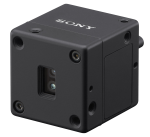
Sony’s AS-DT1 LiDAR depth sensor is lightweight and compact, measuring 2.9 cm wide by 2.9 cm high by 3.1 cm deep and weighing just 46 g, making it well suited to robotic applications where space and weight are limited. Using Direct Time-of-Flight technology and a Single Photon Avalanche Diode sensor, the AS-DT1 measures distance in three dimensions, both indoors and outdoors.
For developers evaluating the AS-DT1, the ROS 2 driver provides a starting point for bringing the sensor into a wider robotic application. The practical benefit is a familiar interface that lets engineers access and work with the sensor’s data. “If you use the standard ROS interfaces, integrators familiar with ROS can bring up the sensor, access its data and interact with it,” says Makkaoui.
Beyond accessing the data, developers also need to account for where the sensor is mounted relative to the robot and its surroundings. She adds: “ROS also provides tools to help calculate and understand the relative positions of different parts of the system. That makes it easier to integrate the sensor into the complete system.”
More advanced robotic solutions
Looking ahead, as companies build their own ROS expertise, the support they need from organisations like ROS-Industrial is likely to grow. “I think technical support will shift towards more advanced capabilities, helping companies implement more complex industrial applications,” says Yasmine Makkaoui.
“I think another focus will be helping companies use AI, including making it easier for AI models to interact with hardware in a robotic cell,” she adds. “That also includes helping engineers understand how to use AI coding agents.”
Click here to find out more about Sony’s AS-DT1 for robotic applications.